Chengdu成都
Pandas, teahouses and some of the best food in China, in a city famous for taking life slowly.
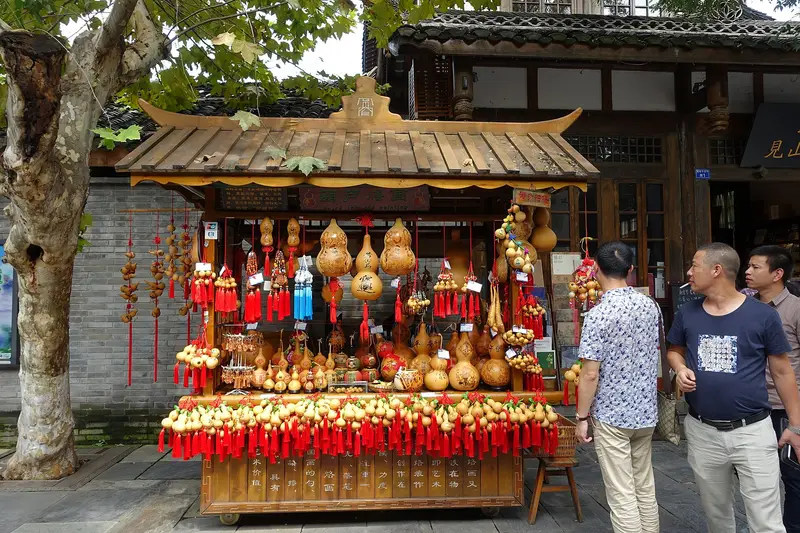
Photo: Daderot · CC0 · via Wikimedia Commons
- Time needed
- 2–4 days
- Best time
- March–June and September–November
- Sights covered
- 5 must-sees
Why visit Chengdu
Chengdu is the capital of Sichuan and the gateway to its mountains, but it is a destination in its own right. Mornings start at the Chengdu Research Base of Giant Panda Breeding, when the pandas are most active. Afternoons are for People’s Park teahouses, Wenshu Monastery and the reconstructed Kuanzhai Alley.
UNESCO named Chengdu a City of Gastronomy in 2010. Beyond hotpot, look for chuan chuan (skewers in broth), dan dan noodles, mapo tofu (said to have been created in Chengdu) and the snacks of Jianshe Road.
From Chengdu you can reach the Leshan Giant Buddha and Emei Shan in a day or two, Dujiangyan irrigation system in an hour, and Chongqing in about one to one and a half hours by bullet train.
Must-see in Chengdu
- Chengdu Research Base of Giant Panda Breeding — Arrive at opening time.
- People’s Park — Heming teahouse, matchmaking corner and ear cleaners.
- Wenshu Monastery — Active Buddhist monastery with a vegetarian restaurant.
- Sichuan opera — Look for the face-changing (bian lian) segment; shows run most evenings.
- Jinsha Site Museum — Ancient Shu civilisation and the Golden Sun Bird disc.
Getting there, getting around, staying
- Best time to visit
- March–June and September–November. Summers are hot and humid; winters are grey and damp but rarely freezing.
- Getting there
- Tianfu International (TFU) handles most international flights; Shuangliu (CTU) is closer to the city. High-speed trains run to Xi’an, Chongqing, Kunming and Guiyang. Chengdu is a 240-hour transit port.
- Getting around
- Metro to most sights; DiDi for the panda base early in the morning.
- Stay: Chunxi Road / Taikoo Li
- Central, walkable, next to Daci Temple and good restaurants.
- Stay: Kuanzhai Alley / People’s Park
- Quieter streets near the teahouses and the old Shaocheng district.
What to eat in Chengdu
- Sichuan hotpot — order a yuanyang pot if you want a mild side.
- Dan dan noodles, zhong dumplings and long chao shou wontons.
- Mapo tofu and twice-cooked pork.
- Rabbit head (for the adventurous) and spicy skewers.
Day trips
- Leshan Giant Buddha (about 1 hour by high-speed train).
- Dujiangyan irrigation system and Mount Qingcheng.
- Sanxingdui Museum near Guanghan, for the extraordinary bronze masks.
Field notes
- Book the panda base and Sanxingdui online in advance with your passport.
- Sichuan pepper numbs rather than burns — the combination is called “mala”.
Sights in and around Chengdu
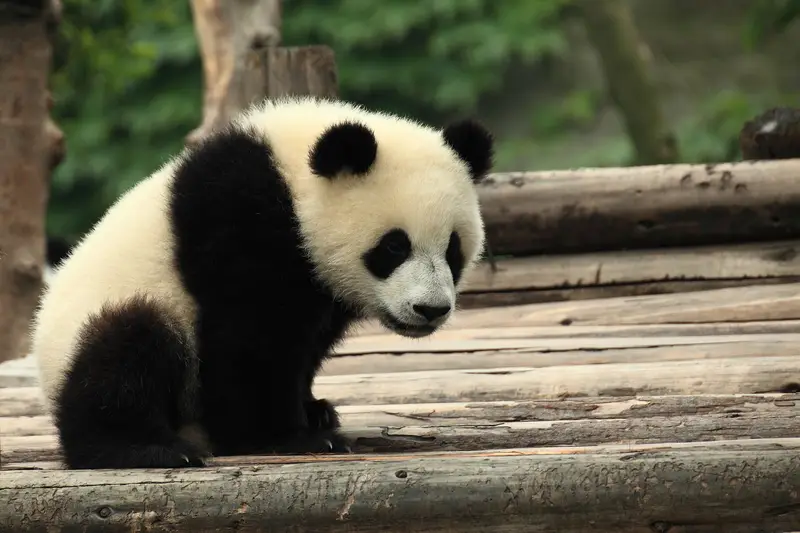
Chengdu Research Base of Giant Panda Breeding
The best place in the world to see giant pandas — go early, and know what is and isn’t on offer.
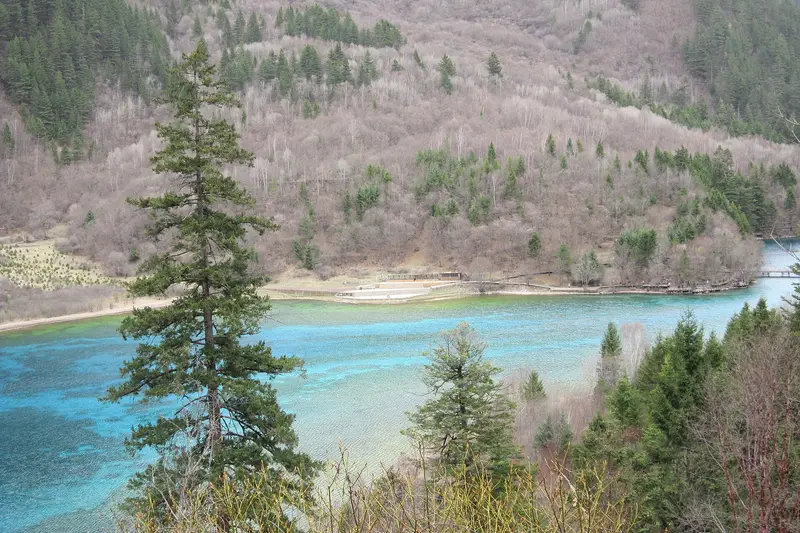
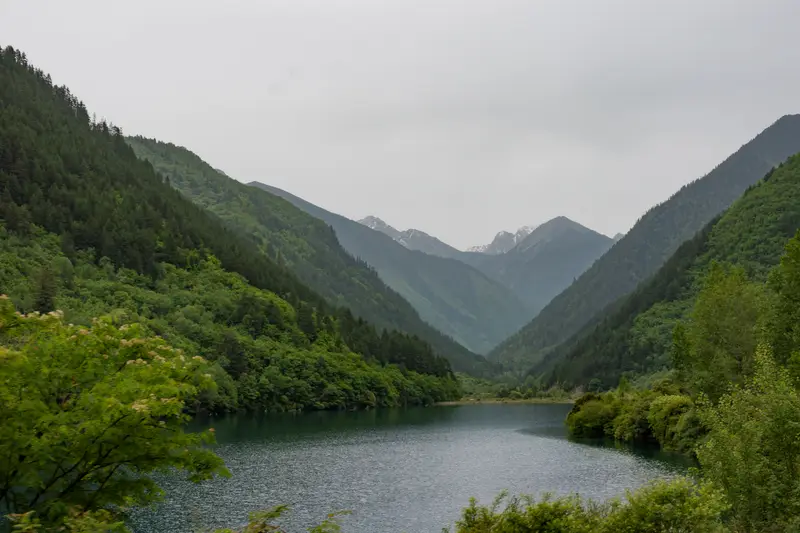
Jiuzhaigou Valley
Turquoise lakes, waterfalls and Tibetan villages in northern Sichuan — one of China’s most beautiful national parks.
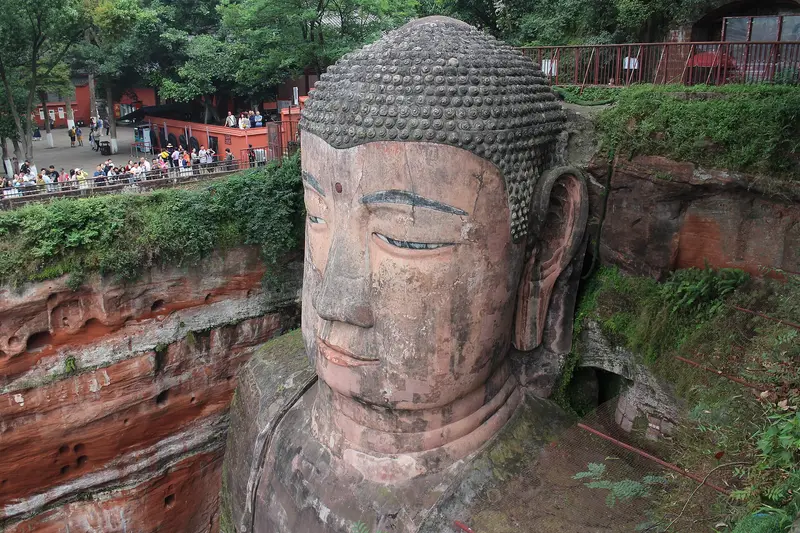
Leshan Giant Buddha
The largest stone Buddha in the world, carved into a cliff where three rivers meet — an easy day from Chengdu.
Routes that include Chengdu
FAQ
When is the best time to see pandas in Chengdu?
Early in the morning, from opening until about 10am, when they are fed and most active. On hot afternoons they mostly sleep indoors.
Is Chengdu or Chongqing better for food?
Both are excellent. Chengdu is known for variety and snacks; Chongqing for bolder hotpot and noodles. Many travellers visit both — they are under 1.5 hours apart by train.
Want a trip including Chengdu built around your dates, pace and interests? Tell us what you have in mind and our desk will reply within 24 hours.
Commission a Private China Proposal
Tell us your travel window, interests, or hospital checkup requirements. Our specialists will return a tailored route blueprint — zero obligation.